
Cold that stays cold.
Servicing, repairs and fault finding for commercial refrigeration, cool rooms and freezers across the Perth Hills. We find the problem early, before it becomes lost stock.
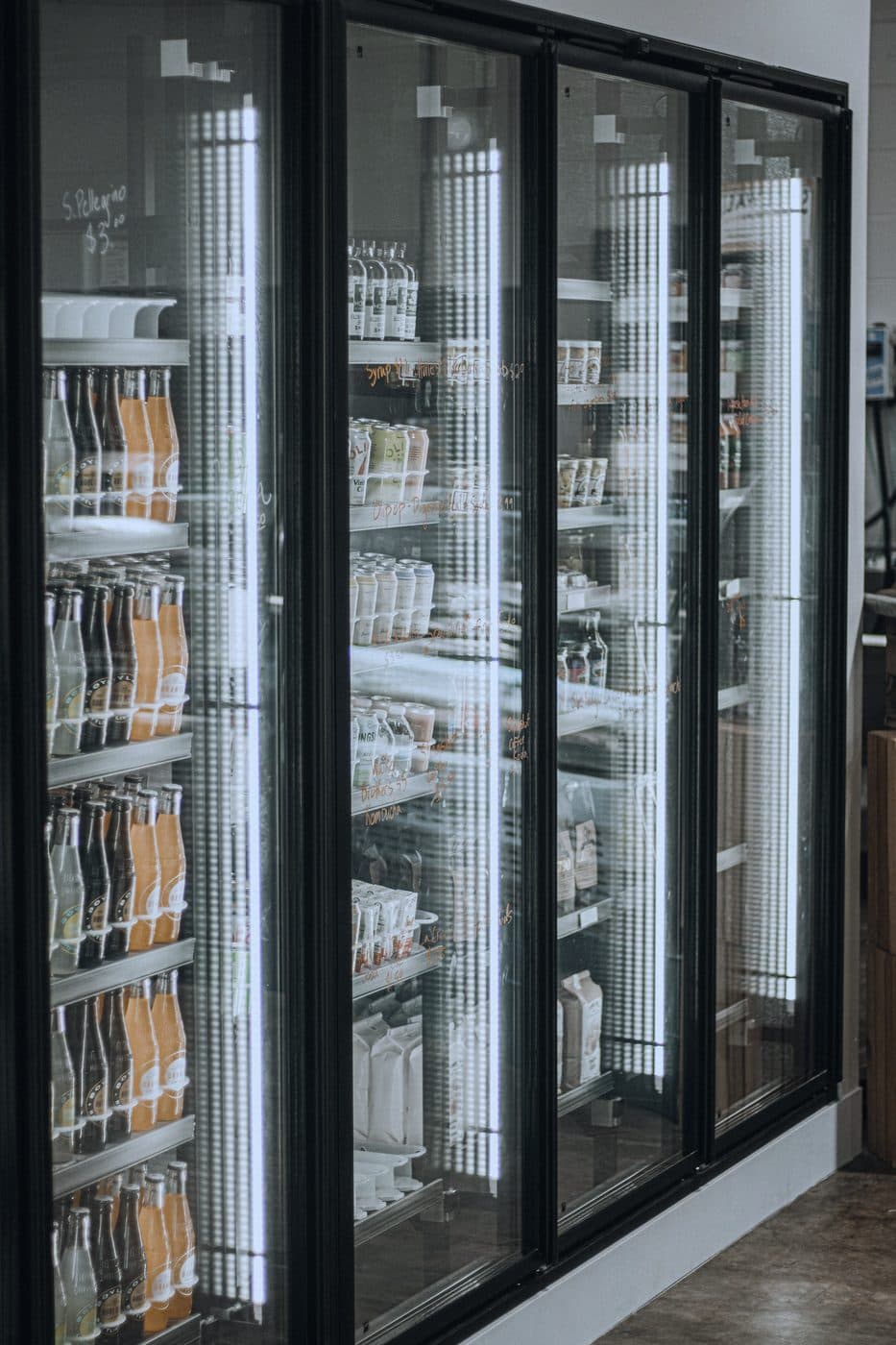
5°C is the line.
Under the Australian Food Standards Code, food that needs refrigeration must be kept at 5°C or below. Your own food safety program may set tighter limits.
A fridge, cool room or freezer that is slowly losing ground is a business problem long before it is a breakdown. By the time the alarm sounds, the stock has often been warm for a while. That is why the early signs matter.
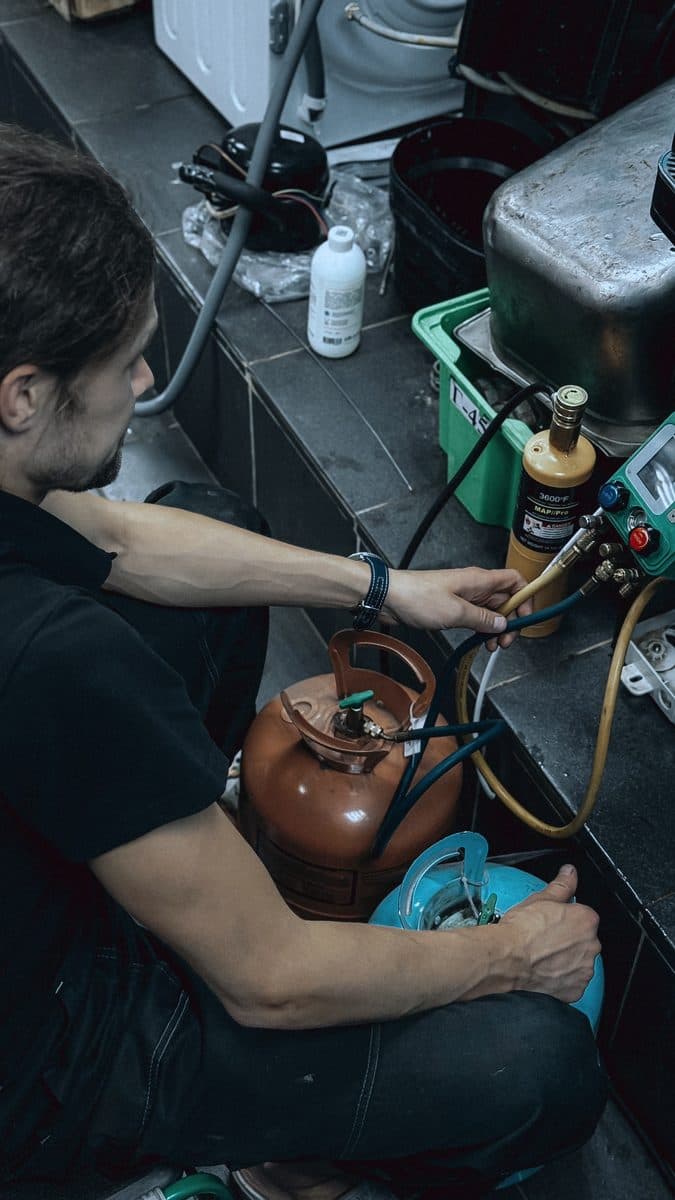
Call early if you notice any of these
- The compressor runs almost constantly.
- Ice is building on the evaporator or the pipes.
- Door seals have gone soft or no longer close properly.
- One shelf, or one corner, runs warmer than the rest.
- Water on the floor, or a fan that sounds wrong.
- The power bill has crept up and nobody can say why.
What we look after.
Commercial refrigeration
The fridges and display cabinets that hold stock for cafes, shops, kitchens and bars. Servicing, repairs and fault finding, so the unit holds temperature on the busiest day, not just the quiet ones.
Cool rooms
Walk-in cool rooms with their condensing units, evaporators, door seals and controls. We service them on a schedule that suits your trading, and repair them when something has gone wrong.
Freezers
Freezers fail in slower, sneakier ways than fridges: ice on the coil, a defrost cycle that has stopped doing its job, a seal that has let in warm air. We find the cause and fix it.
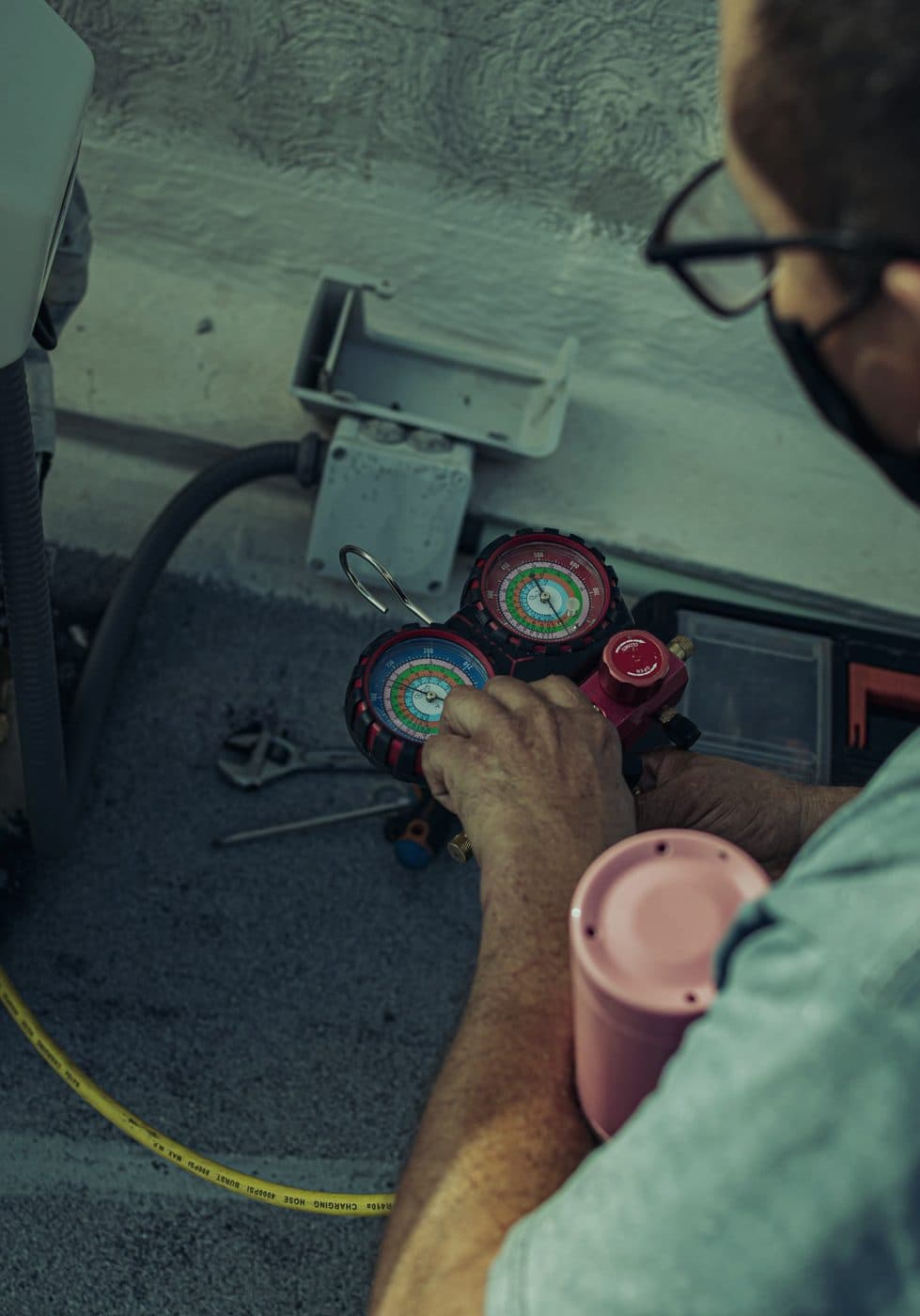
What usually goes wrong.
Most refrigeration faults give notice. The skill is knowing what the notice means.
- Dirty condenser coils. Dust and grease stop the unit shedding heat. The compressor works harder, runs hotter and wears faster, and a Hills summer makes it worse.
- Tired door seals. Warm air gets in, the unit runs longer, and ice builds on the evaporator.
- Ice on the evaporator. Often a defrost fault or a seal problem. It chokes airflow and the room stops cooling evenly.
- Fan motors. A failing fan shows up as a noise first, then as a warm spot.
- Refrigerant loss. A leak means the system cannot reach temperature, and topping it up without finding the leak only delays the problem.
- Controls and thermostats. A control that reads wrongly can make a healthy system look faulty, or hide a faulty one.
A planned service beats an emergency.
Seals, fans, coils and controls all wear. A regular service catches that wear while it is still a small job, instead of a lost-stock event on a hot afternoon.
It also keeps the work inside business hours. We are available Monday to Friday, 8am to 5pm, so a planned service gets done on a quiet morning instead of a scramble late on a Friday.
New, or replacing an old one
The right size depends on what goes in, how often the door opens, what the room sits next to, and how hot it gets outside. A condensing unit on a Hills roof in January works much harder than the same unit in a mild spring. We take that into account when we quote.
What to tell us when you call
- What it is: cool room, freezer, display fridge or something else.
- The make and model, if you can read the sticker.
- The temperature it is holding now, and what it should be holding.
- When you first noticed the problem.
- Any alarms or error codes.
Refrigeration questions.
What temperature should commercial refrigeration hold?
Under the Australian Food Standards Code, food that needs refrigeration must be kept at 5°C or below. Your own food safety program may set tighter limits. If a fridge, cool room or display unit cannot hold temperature, call before it fails outright.
What are the early warning signs of a refrigeration problem?
A compressor that runs almost constantly, ice building on the evaporator or pipes, door seals that no longer close properly, one shelf or corner running warmer than the rest, water on the floor, a noisy fan, or a power bill that has crept up for no obvious reason.
Should I wait until it breaks down?
No. A unit that drifts a few degrees warm can cost you stock long before it stops completely, and a problem caught early is usually a smaller repair. Regular servicing and early fault finding are cheaper than an emergency.
What do I need to tell you when I call?
What the equipment is (cool room, freezer, display fridge), the make and model if you can read it, what temperature it is holding, when you first noticed the problem, and any error codes or alarms. We work Monday to Friday, 8am to 5pm, so call in the morning if you can.
Something starting to struggle?
Describe what it is doing. That is usually enough to start fault finding. Ring in the morning if you can.
Monday to Friday, 8am to 5pm. Servicing the Perth Hills and surrounding areas.